I was reviewing a K-12 school, no shoes, only sandals with trousers ready to roll up and trying to keep clear of the downpour. Most of the corridors were enclosed so I didn’t have to worry about anything other than misted windows and humidity. But at the end of the 2nd floor corridor was an open stairway. Since the rain had stopped, I decided to take the stairs. Halfway down, I slipped on the water lying on a step and only just saved myself. When later that day I went to check out the medical room, I asked for the accident report book. When I sat down and went through it page by page I found three entries of students having fallen on that staircase over the past couple of months. I congratulated the school nurse for her diligence in recording accidents. I then asked her, “Does anyone ever ask to see the accident book?” The answer was “No!”
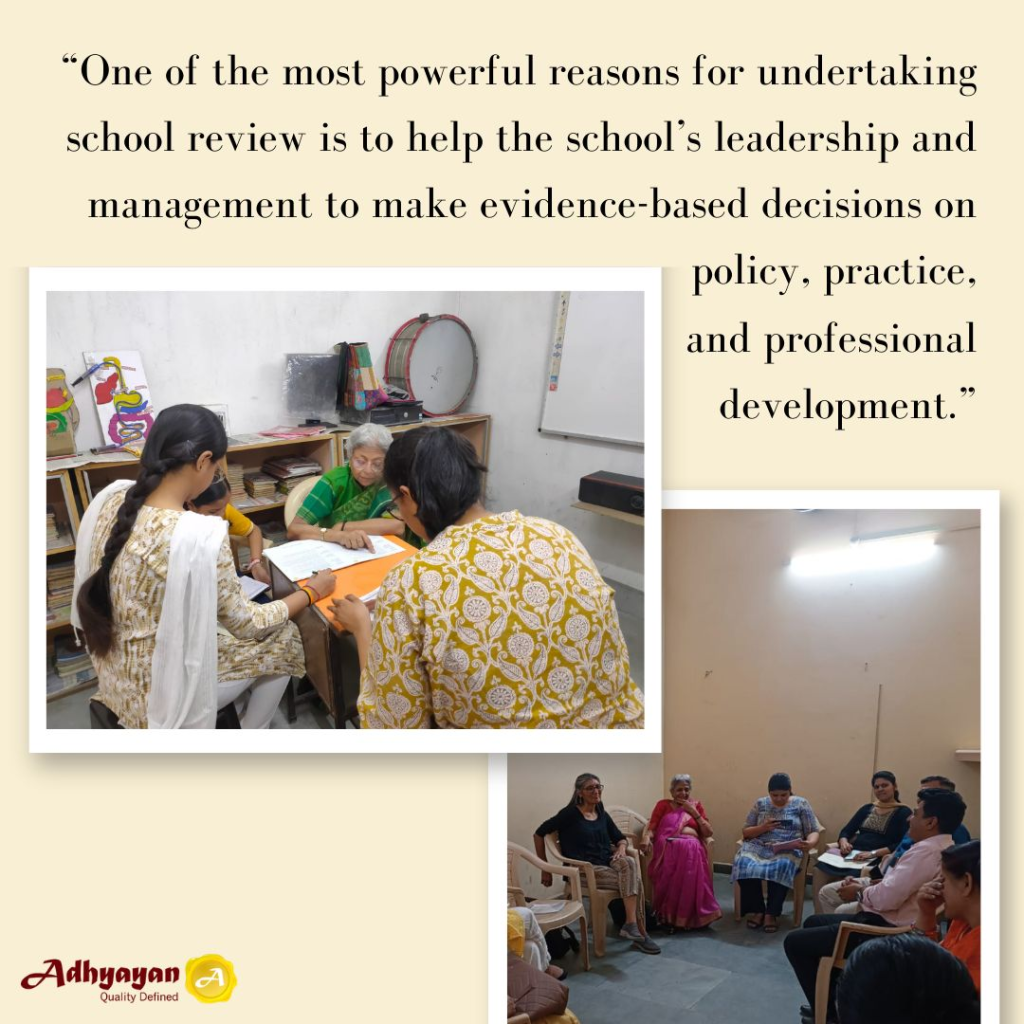
One of the most powerful reasons for undertaking school review is to help the school’s leadership and management to make evidence-based decisions on policy, practice, and professional development. And yet here was a school actively operating a secure system for accident reporting, something many schools do not do, but then doing nothing with the data it was collecting. If it was part of the nurse’s job to do a monthly check, or standard practice for one of the school’s leadership along with the nurse to check the report, say monthly, they might have noticed a pattern. As a consequence, they might have either put up an advisory poster alerting students and staff to take special care on the stairs during monsoon, or if there was an alternative way down then to close the staircase. And in the medium term the school’s management might have considered budgeting in the next year’s improvement plan to enclose the stairway before the next monsoon.
This for me was a great example of how school leaders learn so much from becoming an assessor. Collecting evidence in someone else’s school makes it impossible not to do the same in your own.